Insights from a Decade of Candlemaking

The Study

An ongoing exploration of the science behind the claims.

The Physics.

Combustion is the process of matter turning into energy. Any flame—from a gas stove to a match—releases particles into the air.

The Input.

Air quality starts with the ingredients.
Most mass-market candles use paraffin (petroleum) and low-grade scents. When these burn, the chemical output is the problem.

The Formulation.

  • Wax: Hydrogenated Coconut Soy Wax. Plant-based.

  • Fragrance: Strictly IFRA-compliant. Every scent is vetted against the highest global safety standards.

  • The Exclusions: No Phthalates. No Formaldehyde. No Acetaldehyde. No PAHs.

The Maintenance.

The cleanest ingredients still require precision.


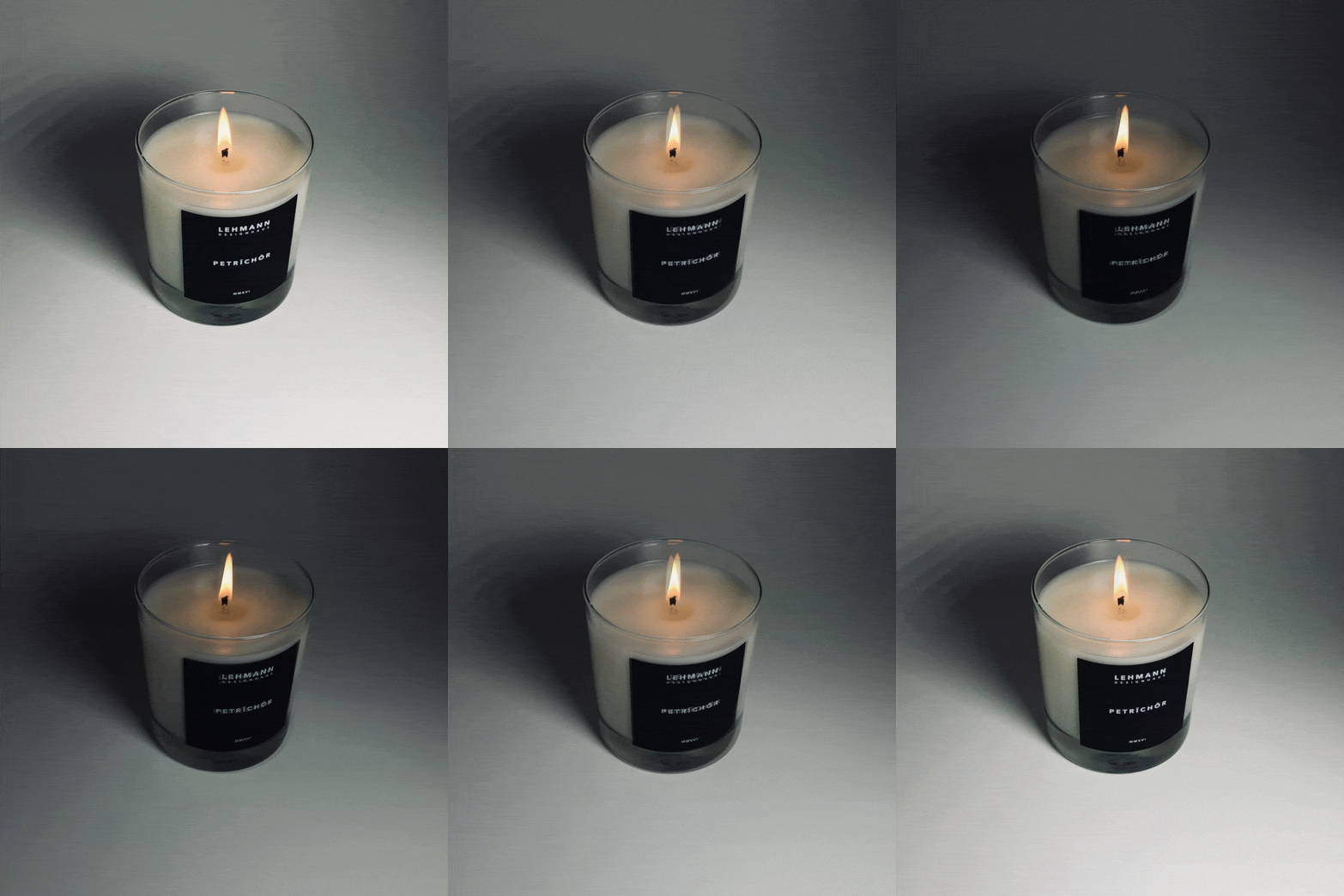
Trimming your wick is the most critical factor in managing air quality.


A long wick creates an oversized flame. An oversized flame causes incomplete combustion. Incomplete combustion leads to smoke and soot.


The Protocol:
Trim to 1/4” before every light.


A stable flame ensures a clean output.

The Verdict.

By combining IFRA-certified oils and plant-based wax with routine maintenance, you can safely enjoy your ambiance.

View The Collections